
In the paced world of digital marketing doing things the same way is a sure way to get stuck. If you have been managing ads for a while you know that the big platforms like Google, Meta, Microsoft and TikTok are always changing their rules. They change them as often as people change their passwords.
2026 Is not just about making a few small changes. It is about a shift in how we reach our customers. With the rise of AI, the end of traditional tracking and new platforms popping up everywhere paid media is entering a whole new era.
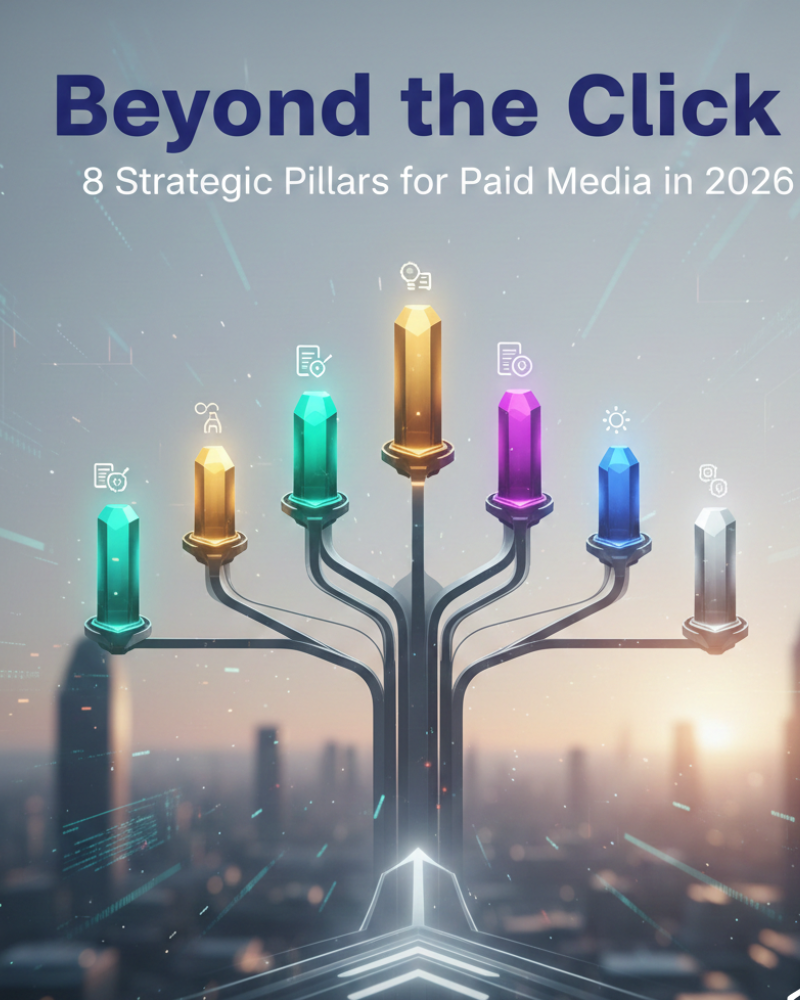
Whether you are a business owner or an experienced marketing manager to stay ahead you need to make some specific changes, to your strategy. Based on what’s happening in the industry here are eight important changes you should make to your paid media marketing to get the most out of your budget.
1. Stop Fighting AI and Start Working Together
For a time people who make ads were a little scared of AI. We thought it would make our ads sound like they were written by a machine or take away our ability to be creative.. Now in 2026 people are starting to think about AI in a different way. It is not about AI versus Human it is about Human and AI working
Tools like Google’s Gemini and Microsoft’s Copilot are not things we are trying out anymore. They are helpers that we really need. Of sitting at a computer for hours trying to come up with twenty different ways to say the same thing we can use AI that talks like a person to help us think of ideas.
The Plan: Use AI to do the work of coming up with a lot of ideas. Let it make fifty versions of an ad based on what we really want to say. Then our job as the person writing the ad is to be, in charge and pick the ones make sure they sound right and make sure they sound like they are coming from our company.
2. Create a Data Vault that Respects User Privacy
The time of tracking people with annoying cookies is almost over. New privacy rules and changes in technology have made data from third-party sources less trustworthy. If your marketing relies heavily on what platforms think they know about users your results will probably suffer.
The answer is to focus on first-party data. This includes information you have collected directly from your customers, such as email lists, purchase history and customer relationship management data.
The Plan: Make gathering data from customers a priority. Provide something like a helpful guide or a discount in return, for their email address. Then use the customer data to improve your marketing efforts.
3. Get ready for the “AI Overview” time
Search engines are not just lists of links anymore. Now with Googles “AI Overview” people often get the answer to what they are looking for without even going to a website. This means your ads will show up in places and in different ways.
Your ads are now part of these summaries that are made by intelligence. If your ad is a big block of text it will probably get ignored.
The plan is to use “content. This means your headlines and descriptions need to be short and very relevant, to the question that the “AI Overview” is answering. Pictures are also becoming more important when people search for things. So make sure your image extensions are quality and directly related to your “AI Overview” keywords. The “AI Overview” is changing how we see ads.
4. Move from “Multi-Channel” to “Omni-Channel”
There is a difference between being on many platforms and having those platforms work together. Many brands run a Facebook campaign in one place and a Google Search campaign in another place with no communication between the two Facebook and Google Search campaigns.
In 2026 the customer journey is like a zig-zag. A user might see a video on TikTok search for the brand on Google a week and finally click an ad on Reddit before buying the product from the brand.
The Strategy for the brand is to map the customer journey of the brand. The brand can use TikTok or YouTube for awareness of the brand, which’s like the beginning of the process and use Google Search or Remarketing ads to close the deal for the brand. The messaging from the brand should change as the customer gets closer, to buying something from the brand.
5. Use AI to Fix the ” Fatigue” Problem
Ads that don’t change can get boring. When people see the ad many times they stop noticing it. Making ads for different groups of people used to be too hard and costly.
Now there are AI tools that can help edit images. You can find these tools in Canva or Google Ads. They let you change the background, product or colors in seconds.
Here’s the plan: Make your ads look good to the people seeing them. If you’re running an ad across the country use AI to change the background. For example show a New York skyline to people on the East Coast and a beach to people on the West Coast. This little change can make people more interested, in your ad.
6. Rethink How You Measure Success
If you are still judging your ads based on the click someone made before buying something you are probably making bad decisions. This way of measuring success called Last-Click Attribution gives all the credit to the last ad a person clicked before they bought something.
What about the video that first told them about your brand?. The helpful blog post they read that gave them more information?
If you only look at the click you might stop the very ads that are helping you get sales.
The Strategy is to switch to something called Data-Driven Attribution. You can use Google Analytics to see which channels are actually helping even if they are not the step that leads to a sale.
You should also change the way you measure success based on the channel you are using. For example do not expect an ad on TikTok that is just supposed to make people aware of your brand to have the return on money spent as an ad on Google that says “Buy Now”.
Look at Assisted Conversions in Google Analytics to see which channels are helping your brand even if they are not the click, before a sale.
7. Make Your Influencer Strategy Professional
In the past influencer marketing was over the place. Sending free stuff to people and hoping they would post a nice picture. Now in 2026 influencer content is an ad asset.
Platforms like Google have “Creator Partnerships” where you can promote a creators video as an ad directly on the platform. This mixes the realness of a person with the targeting power of an ad.
The Strategy: Do not treat influencers as a side thing. Find creators who really fit with your brand and use “Partnership Ads” to put your money behind their content. This helps you reach their audience with an introduction instead of a cold corporate ad.
8. Invest in Your Assets
Relying completely on paid platforms is a risk. If the algorithm changes or ad prices suddenly go up your business can be in trouble overnight. The successful brands in 2026 use paid media to build their own media.
The Strategy: Every paid campaign should have a goal: getting the user into your own world. Whether it is signing up for a newsletter joining a loyalty program or following a brands community the goal is to be able to reach that customer without paying. You can reach them for free, via email or SMS of paying Mark Zuckerberg or Google every time you want to talk to them
